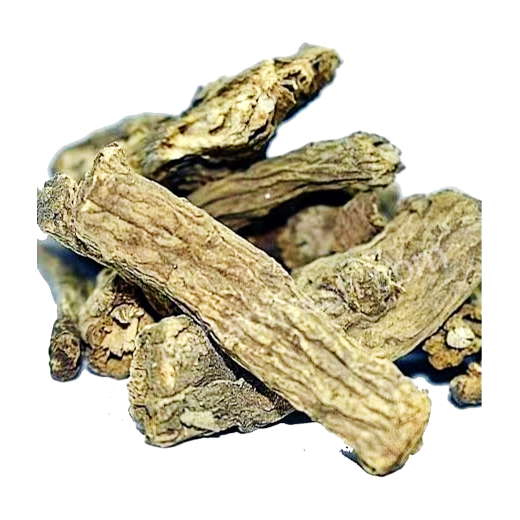
₹309 · UTTRAKSH ENTERPRISES, New Delhi. Cash on delivery across India. Gandrayani grows in slow moving streams, damp meadows, forest gullies in rocky…
Gandrayani grows in slow moving streams, damp meadows, forest gullies in rocky substrata of Western Himalayas from Kashmir to Uttaranchal at an altitude of 2,700-3,400m. Dry roots yield essential oil (1.3 per cent), resin and valerianic acid and several furocoumarins such as angelicin, bergapten, xanthotoxin and umbelliferene,” says Organic Products from Uttaranchal, published by the Uttarakhand Organic Board. The roots of the plant are pungent, aromatic, diaphoretic and diuretic. It increases appetite and combined with tonics it is given in typhoid conditions, bronchitis, flatulence, colic and pain in stomach. Roots are also used in the preparation of gin and liqueurs known as bitters. Gandrayani is used in Uttaranchali cuisine as a flavouring agent in vegetables and daals.” Gandrayani is used to cure stomach disorders. In remote villages, it is used to cure stomach aches—the roots are powdered and boiled in water. It also has digestive properties, so is used in cooking dals.” Unlike in cities, where dals are available in the split or polished form, whole dals are consumed in most villages. Whole dals are difficult to digest and can cause flatulence. That’s why when dals are boiled a generous piece of gandrayani is added. It not only adds flavour, but also has digestive properties. Alternatively, it can be used also for tadka (tempering). Here, the root is powdered and is added to the tadka along with cumin seeds or mustard or garam masala.
Yes. UTTRAKSH ENTERPRISES takes cash on delivery, so nothing is paid up front and nothing is charged until the parcel is in your hands.
Arrives by Mon, 16 Nov for most addresses. It is packed and sent by UTTRAKSH ENTERPRISES in New Delhi — not from a warehouse — so it leaves the hills the same week you order it.
UTTRAKSH ENTERPRISES, in New Delhi. Basket of Pahad does not hold stock or pack parcels — the shop does both. We take the payment and hold it until the order reaches you.
Food that has been opened cannot be returned. Anything that arrives damaged, leaking, short, or not what the page said is refunded in full — tell us within 48 hours.
Hill spices are sun-dried in small lots and often ground by hand, so the smell is stronger and the grind coarser than packet spices. Jakhiya is nutty and toasty in hot fat, jambu brings a mild garlic-onion note, timur has a citrus smell and a tingle, and hill turmeric and chilli are deep in colour.
Jakhiya seeds and dried jambu go into hot ghee or mustard oil at the start or end of cooking, as a tadka for potatoes, greens and dal. Ground spices and blends go in towards the end so the aroma stays. Seeds such as bhang and til are roasted for chutney and loon.
Keep every packet sealed in a dry jar, away from the stove, steam and sunlight. Use a dry spoon. Dried leaves such as jambu are the most delicate, and a little moisture is enough to spoil them.
Whole seeds usually keep their smell for many months sealed, ground spices and blends for less. The pack's label gives the shop's own best-before date.
These are dried and ground in small lots, often by hand or in a small village mill, with nothing added for colour or flow. The grind is coarser and the colour follows the crop, so it varies between batches.
Start with less than you would of a bought spice, because fresh hill spices are stronger. Half a teaspoon of jakhiya or a small pinch of jambu is enough for a pot. Taste, then add.
Toast whole seeds lightly in a dry pan for a minute until they smell again, then use them straight away. Ground spices cannot really be revived, which is why small packs are better for those.